

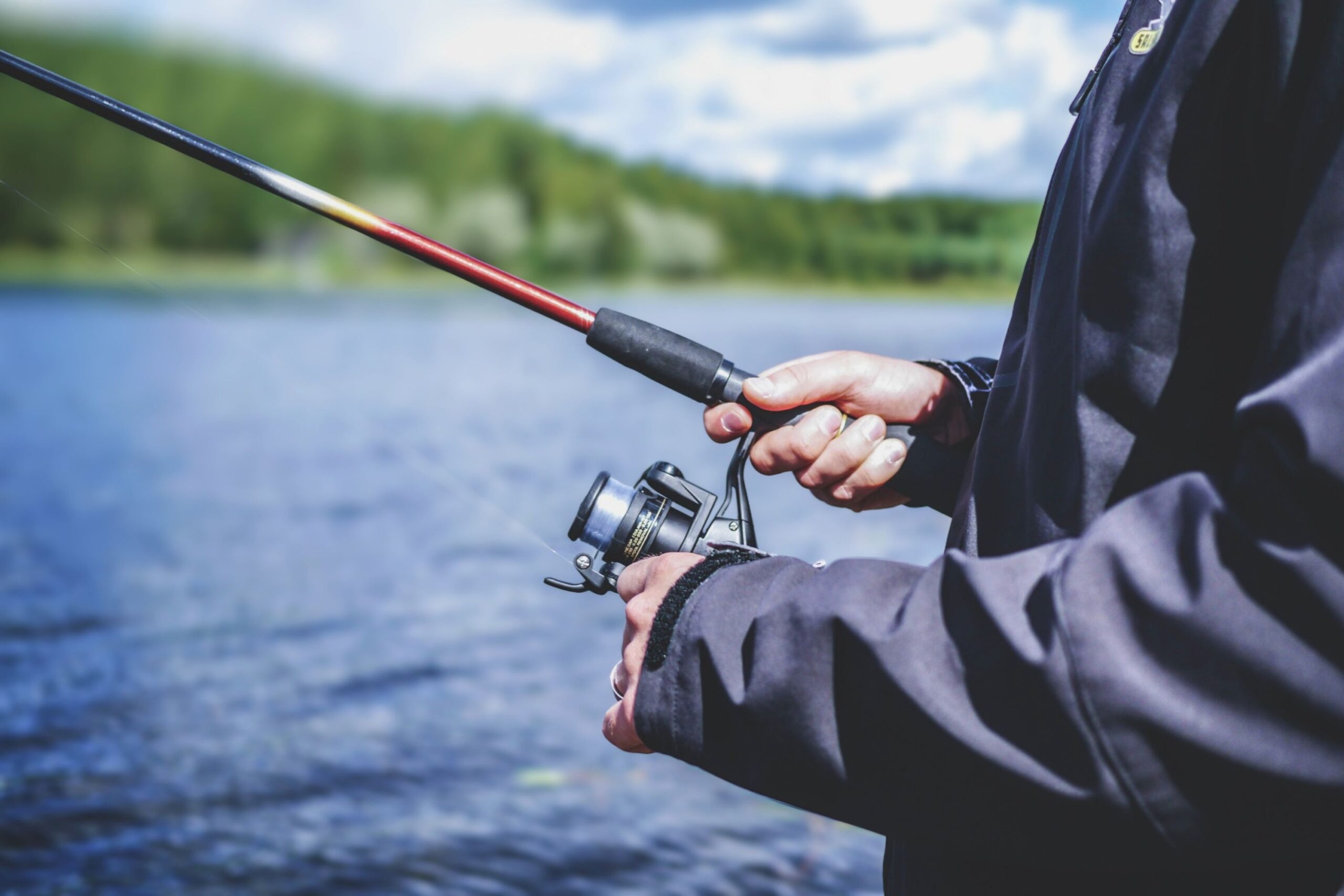
There’s a particular moment when everyone stops talking and watches the same fishing line. Maybe the float moved, or someone felt a tug and isn’t quite sure what to do next. Those few seconds can become the story everyone tells afterward, especially when it’s a child’s first fish.
Fishing in Broken Bow gives you more than one way to spend that kind of day. Head to the lake for bass, crappie, and catfish, or follow the Lower Mountain Fork River for trout. You can fish from a suitable public bank, take a boat out with friends, or learn from a guide. Here’s how to choose your water, bring the right equipment, and enjoy the outing.
Quick Summary: Fishing in Broken Bow centers on Broken Bow Lake and the Lower Mountain Fork River near Hochatown and Beavers Bend State Park. The lake offers bass, crappie, and catfish fishing, while the river supports rainbow and brown trout, with year-round trout stocking. Public bank access means you don’t need a boat, and spinning tackle provides an alternative to fly fishing. Anglers aged 18 and older generally need an Oklahoma fishing license unless exempt. The Lower Mountain Fork trout area requires barbless hooks, and harvest limits vary by river section. Choose your location and target species before buying tackle, and account for changing water conditions below the dam.
Table of Contents
Discover Your Preference: Lake Fishing or River Trout
A lake outing and a morning on a trout stream call for different approaches. Start with the fish you’d like to catch, then decide how you want to spend your time.
Cast for Bass, Crappie, and Catfish on Broken Bow Lake
On Broken Bow Lake, fishing can mean casting toward a wooded cove or watching the shoreline slip past between stops. From a boat, you have room to explore different depths and stretches of water. For friends who enjoy comparing lures and discussing every missed bite, that search is part of the fun.
Largemouth, smallmouth, and spotted bass give anglers several possibilities. Crappie and catfish offer other targets, so everyone doesn’t have to pursue the same fish. The Oklahoma Department of Wildlife Conservation (ODWC) publishes lake reports identifying productive techniques and locations, such as brush structure for crappie or coves and channels for bass.
A boat helps you reach more water, but you can also look for suitable public shoreline access. Recreation areas around Stevens Gap and Carson Creek are starting points for checking maps and posted access. Boat ramps need room for launching, so choose a fishing position clear of trailers and moving boats.
Follow the Current on the Lower Mountain Fork River
River fishing asks you to pay attention to smaller details. Watch where faster water meets a slower pocket, follow your lure’s drift, and notice how the current changes around rocks. Even when the fish aren’t cooperating, there’s something absorbing about working through a stretch carefully.
The Lower Mountain Fork River supports rainbow and brown trout, with trout stocked year-round. Public bank access within Beavers Bend State Park lets you enjoy the fishery without automatically committing to wading. Fly fishing is popular here, but a suitable spinning setup gives beginners another way to get started.
Choose an established access point and identify your section on the official trout-area map. Dam releases can change conditions, so a quiet-looking stretch should never be treated as a promise of safe wading. Bank fishing can be a satisfying outing on its own.
Make Your First Fishing Outing a Good One
For a first attempt, a manageable session usually beats an ambitious dawn-to-dusk plan. Find a legal fishing spot with stable footing and enough space to cast, then spend a few minutes practicing before worrying about distance. Children often enjoy choosing a lure and learning to reel as much as waiting for a fish.
Keep the outing flexible. Take a snack break, help with a tangled line, and let someone stop when they’ve had enough. A family-friendly fishing trip doesn’t need a full cooler to count as a good morning.
A guided outing can also make unfamiliar water less intimidating. A guide can demonstrate casting, explain where fish tend to hold, and help you adjust your technique. Ask whether the trip focuses on lake fishing or river trout, and what equipment is supplied, so the experience matches what your group wants.
Beginner Equipment to Bring
You don’t need a tackle box packed with options you haven’t learned to use. Start with a simple rod-and-reel combination suited to your target fish. ODWC recommends matching line and lure weights to the equipment’s specifications.
- Rod and reel: A spinning or push-button spincast combination you can hold comfortably.
- Matched fishing line: Choose line within the rod and reel’s recommended range.
- A few lures or permitted baits: Select these for the species and water you’re fishing.
- Appropriate hooks: Use barbless hooks in the Lower Mountain Fork trout area.
- Small tools: Pack needle-nose pliers, line clippers, and a landing net.
- Measuring tool: Bring one if you intend to keep fish subject to size limits.
- Life jacket: Wear a properly fitted one aboard a boat and for appropriate waterside protection.
- Personal essentials: Carry drinking water, sun protection, and shoes with dependable grip.
For a bank outing, leave waders off the shopping list until you know you need them. Spend that first session learning your equipment, setting the drag, and making controlled casts. Those skills will serve you better than buying several specialized setups.
Fishing Gear and Boat Options Without Bringing Your Own
You don’t have to arrive with a collection of fishing equipment to enjoy the river. Beavers Bend Fly Shop offers guided trips that include a fly rod, reel, flies, leaders, and tippet, with waders and boots available if needed. For someone trying fly fishing for the first time, having equipment provided means you can learn what works before buying your own. Your guide can help you get comfortable with casting and spend more of the outing fishing rather than sorting through unfamiliar gear.
For lake fishing, Beavers Bend Marina rents pontoon boats and permits fishing aboard them. A pontoon gives friends and families room to spend the outing together, with seating and shade for breaks between casts. You can enjoy being out on Broken Bow Lake without towing a boat from home. Tell the marina you’re planning to fish so you can discuss a suitable rental, and arrange your rods and tackle separately rather than assuming they come aboard.
Fishing Through the Seasons
Spring draws anglers outdoors as days warm and fishing patterns change. On the lake, water temperature and spawning activity can influence where fish hold. It’s a season for paying attention to the latest reports rather than returning repeatedly to an unproductive spot.
Summer mornings can be especially enjoyable before the heat builds and more boats arrive. Bring water and make room for breaks, particularly with children. Lake fish may hold deeper as conditions change, so yesterday’s successful depth isn’t necessarily today’s answer.
Fall brings cooler air and changing leaves along the shoreline, making a few hours beside the water comfortable without summer’s heat. You might spend the morning casting from a boat or settle into a riverbank spot with a jacket and a flask of coffee. Shorter days leave less time for fishing, though, so give yourself enough daylight to finish without rushing.
Winter fishing in Broken Bow can still be rewarding, especially for trout on the Lower Mountain Fork River. Trout remain active in cold water, while lake fishing for bass and other warm-water species can require more patience and slower presentations. Cold hands, chilly wind, and shorter daylight hours can make long outings less comfortable, so a shorter session may be more enjoyable. You don’t need to rule winter out, but choosing your target fish makes a difference.
Know the Rules Before Your First Cast
Oklahoma generally requires a fishing license for anglers aged 18 and older unless exempt. Carry your license or proof of exemption while fishing; electronic licenses are accepted. Any applicable parking or land-access requirement is separate from the fishing license.
On the Lower Mountain Fork trout water, use one rod and reel per person and barbless hooks. Harvest rules differ between Area 1 and Area 2, including minimum sizes and daily limits. Read the official trout-area rules and map before keeping a fish rather than applying a general statewide limit.
Below the dam, obey posted warnings and leave the water when conditions become unsafe. Avoid stepping into unfamiliar current simply to reach a promising cast. Give neighboring anglers space, especially when someone is casting behind them or landing a fish.
Wet your hands before handling a fish you’ll release, minimize its time out of water, and collect discarded line. Clean and dry equipment after fishing the Lower Mountain Fork to help prevent the spread of didymo, an aquatic nuisance organism identified there.
Plan Your Broken Bow Fishing Getaway
Still looking for somewhere to stay? Explore Broken Bow vacation cabin rentals with Mighty Tree Properties for a comfortable place to spend the hours between fishing outings. Share breakfast before heading out and gather afterward to compare the day’s catches. Choose a home that suits your group, or contact us with questions about your accommodation before booking.
Fishing in Broken Bow FAQ
What fish can you catch in Broken Bow?
Broken Bow Lake offers bass, crappie, catfish, and other species, while the Lower Mountain Fork River supports rainbow and brown trout.
Where can you fish for trout near Broken Bow?
The designated Lower Mountain Fork trout area runs from the Broken Bow Reservoir spillway to the U.S. Highway 70 bridge, including water within Beavers Bend State Park.
Can you fish in Broken Bow year-round?
Yes, fishing is available year-round, including trout fishing on the Lower Mountain Fork River, subject to conditions and access restrictions.
Do you need an Oklahoma fishing license?
Yes, anglers aged 18 and older generally need a valid Oklahoma fishing license unless exempt.
Do children need a fishing license?
Oklahoma residents and nonresidents aged 17 and younger are exempt from purchasing an Oklahoma fishing license.
Can you fish without a boat?
Yes, public bank fishing is available along parts of the Lower Mountain Fork River and at suitable public access locations around Broken Bow Lake.
Do you need fly-fishing equipment for the Mountain Fork River?
No, suitable spinning tackle is another option, provided your equipment and fishing methods meet the trout-area regulations.
Are barbless hooks required on the Lower Mountain Fork River?
Yes, ODWC requires barbless hooks within the designated Lower Mountain Fork trout area.
Can you keep the fish you catch?
You may keep fish that meet the applicable species, size, and daily-limit rules; Lower Mountain Fork trout limits differ by river section.